How to Spot Patterns in Your Wellbeing Over Time (And Why It's Worth Doing)?
Most health changes happen over time. Subtle, minor but potentially repetitive and also worth noticing. In the busy world we live in it is hard to rely on our memory alone. We have so many other things to remember. Not that health is not important but if we are not structured around tracking it, unfortunately most times we just forget. We vaguely recall we had a headache a few times last month but that is about it. We do not necessarily remember it occurred right before a period started, or the pollen was really aggressive that day.

Is not a reliable Health record
A lot of research has been done on the term ‘change blindness‘. Often cited in scientific studies, change blindness explores, the innate inability of people to accurately recall a situation, visual cue or a small change over a period of time. This is not a you and me problem, this is how we are as a species. When you add the increasingly demanding day to day life, full of stimuli and notifications, our attention spans have diminished even further.
If you have been to the doctor with a complaint, one of the first questions they ask you is ‘How long has this XYZ complaint been going on for?’. You will be surprised how many people struggle to answer this question. If it has been going on awhile, they have potentially accepted it for a prolonged period of time without paying true attention, until it got much worse or even became unbearable. In these situations, they mainly recall the time it escalated but not the time it began.
Tracking our health day to day, allows us to spot those tiny changes, that we ourselves, may sometimes be too busy to truly notice. A 5min body scan practice per day with a structured tracking output, can help us spot and prepare better for our doctor’s appointments.
Are worth noticing?
Many things happen daily, hat can make us feel a little under the weather. Some more important than others. Here is what we think is important to notice and build corelations with:
- Symptom frequency – headaches on 8 of 14 days looks different from two bad headaches. Or headaches at the some time every month, especially for biological females, where hormone fluctuation can affect a lot of wellbeing factors
- Timing patterns – symptoms tied to meals, sleep, stress, cycle, weather. That pizza making you bloated? Heavy clouds get you sleepy, and your sinuses feel like they want to explode? The timing of occurrences matters a lot, over time a pattern will appear and it is worth noting it.
- Trends in vitals – blood pressure creeping up gradually vs. a single high reading. I know, we are all aware of this, yet few people truly track it. Mostly they track it when they feel unwell but this does not allow them to spot the patterns. You need to observe yourself over a prolonged period of time in order to know something is worth flagging to your doctor.
- Energy and mood over weeks – harder to see than physical symptoms but just as useful. Patterns in how we feel can also emerge based on timing and frequency and help us uncover the story. Saying we are low on energy is not as all encompassing answer as I seem to be low on energy in these particular cases. This way your doctor can help you much easier, as you are prepared for your visit with the right information they need.
- What changes when something else changes – new medication, new routine, new season. A lot of times people neglect how adding something ‘new’ can still cause other side effects in their bodies, which again observed in isolation may not mean a lot but cross referenced with other data points can paint a whole ew picture.
Between a single data point & a pattern
A single data point is like a photograph while a pattern is like seeing the film. One result in isolation can be difficult for your GP to decode, however a log of six months can be a much different story.
A few years back, I use to have these really bad bloating and swelling days. My fingers, my feet, my knees used to hurt from the pressure and I would gain 1-2 dress sizes over night. I did not log the occurrences, it all felt very sporadic without a pattern. Until I started logging it. After month 2 it became really clear that I was reacting to something very specific after a little time. As the reaction was not immediate, I failed to see the correlation until I started to track and organise the information. Now years later, it still happens but so very rarely.
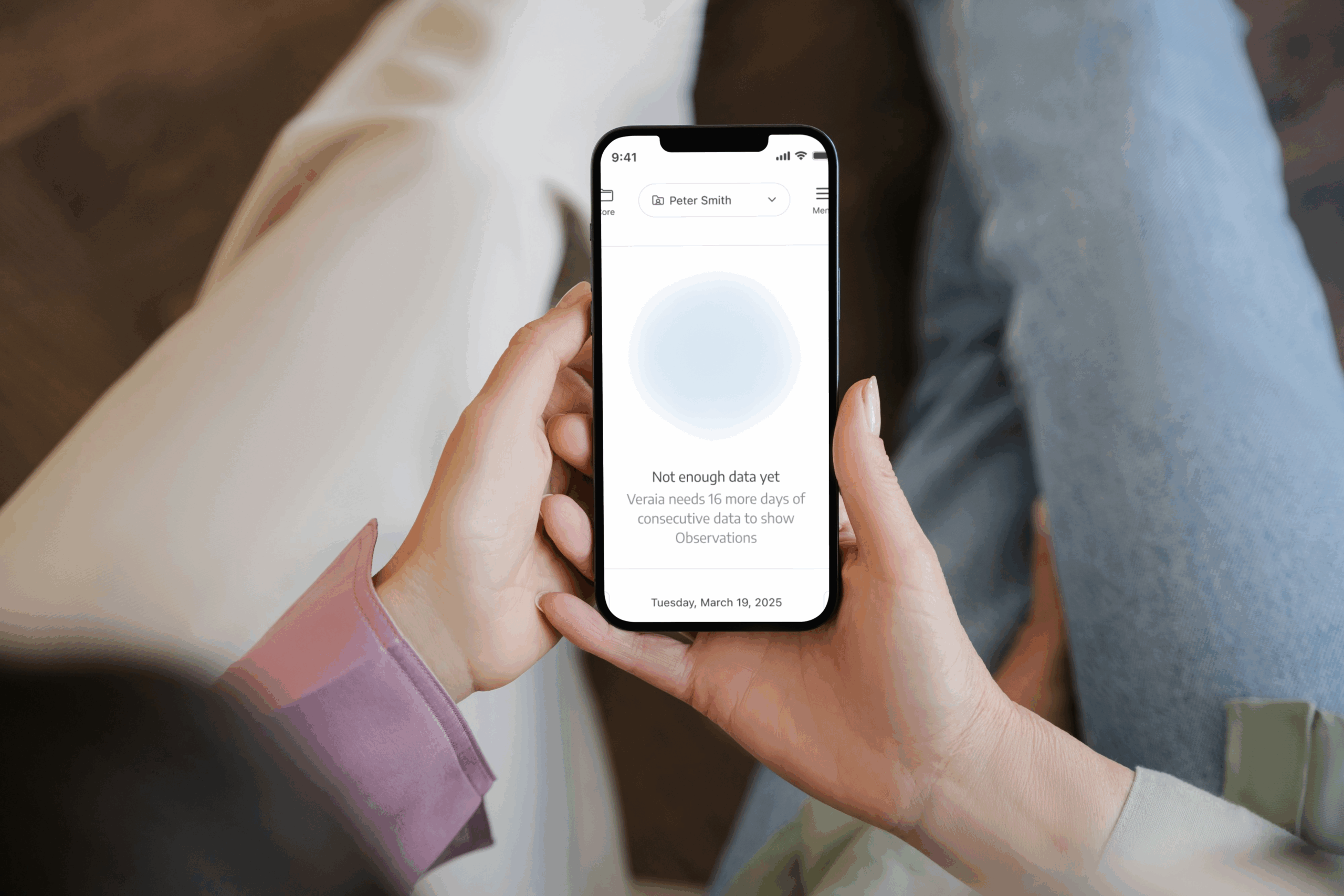
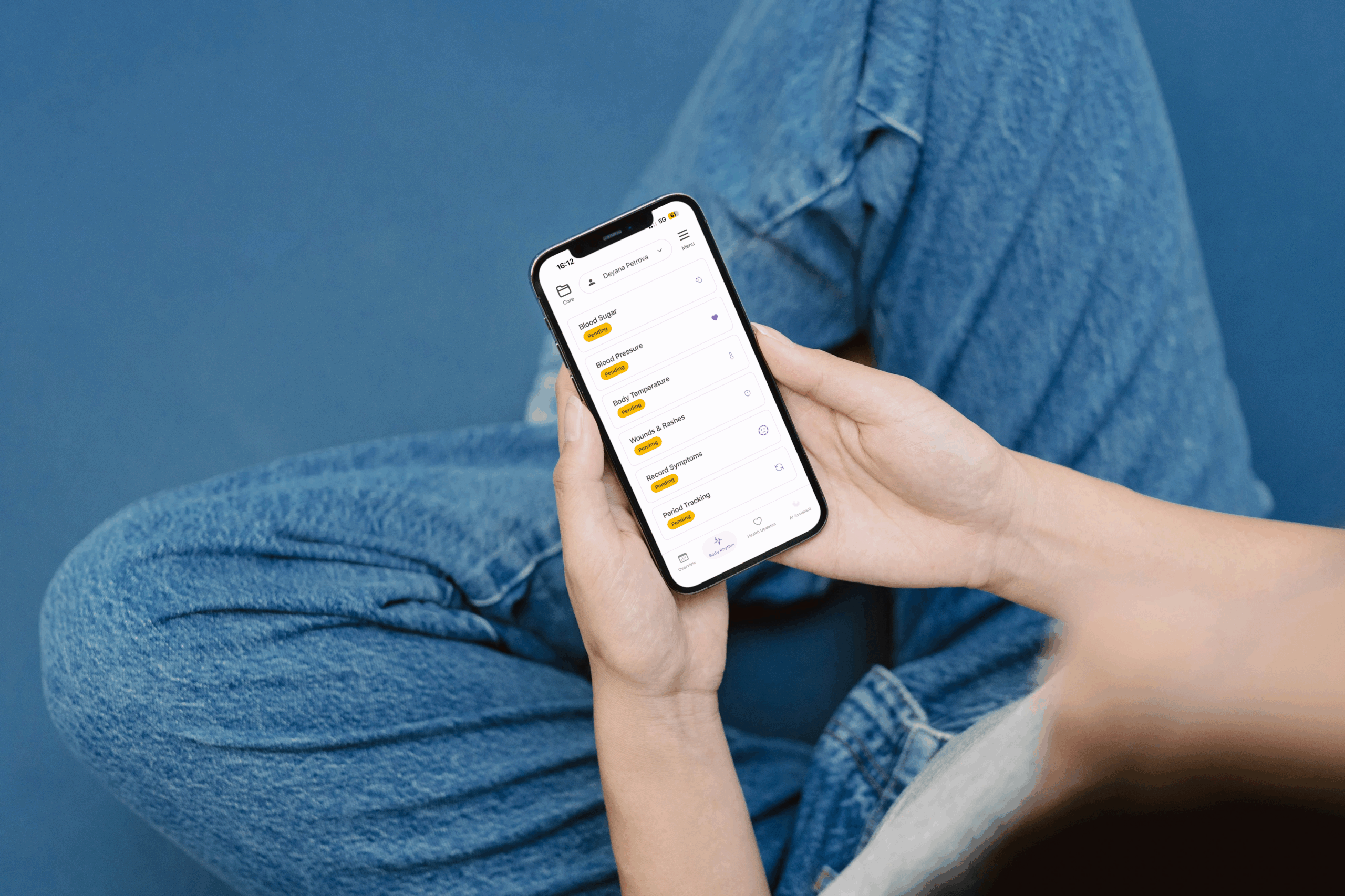
This is why tools like Veraia’s Body Rhythm log your readings over time rather than showing you isolated numbers, the pattern is the point, not the single measurement.
How to actually start without it being a chore?
Start small. You really do not need to overhaul everything you have ever tracked in a day. Consistency is more important than volume in this ‘game’.
Start by logging how you feel on the day, is something hurting, your blood pressure your blood sugar. It takes less than 2 min to do. Call it a ‘me time’ moment as truly one of the greatest gifts you can give to yourself is reducing the mental load of having to remember everything and then stressing you are forgetting something.
Over time you can add pieces of information from the past as you remember them and then future you, 2-3 months in will be so glad you embarked on the journey. A lot of the patterns that have not been visible will start to emerge and you will be able to communicate much more effectively with your doctor.
All of a sudden a short appointment, as let’s be honest we do not get much time nowadays with our physicians, can be much more effective due to your new structure.
If you notice a pattern?
- A pattern is a prompt to pay attention, not a diagnosis – a pattern helps you recognise the need to pay attention and flag it to your doctor. It is not a diagnosis and it should not be treated as such. The only people who should be diagnosing are your physicians. What you are doing is surfacing the right information to them, making their job more efficient to support you in feeling better.
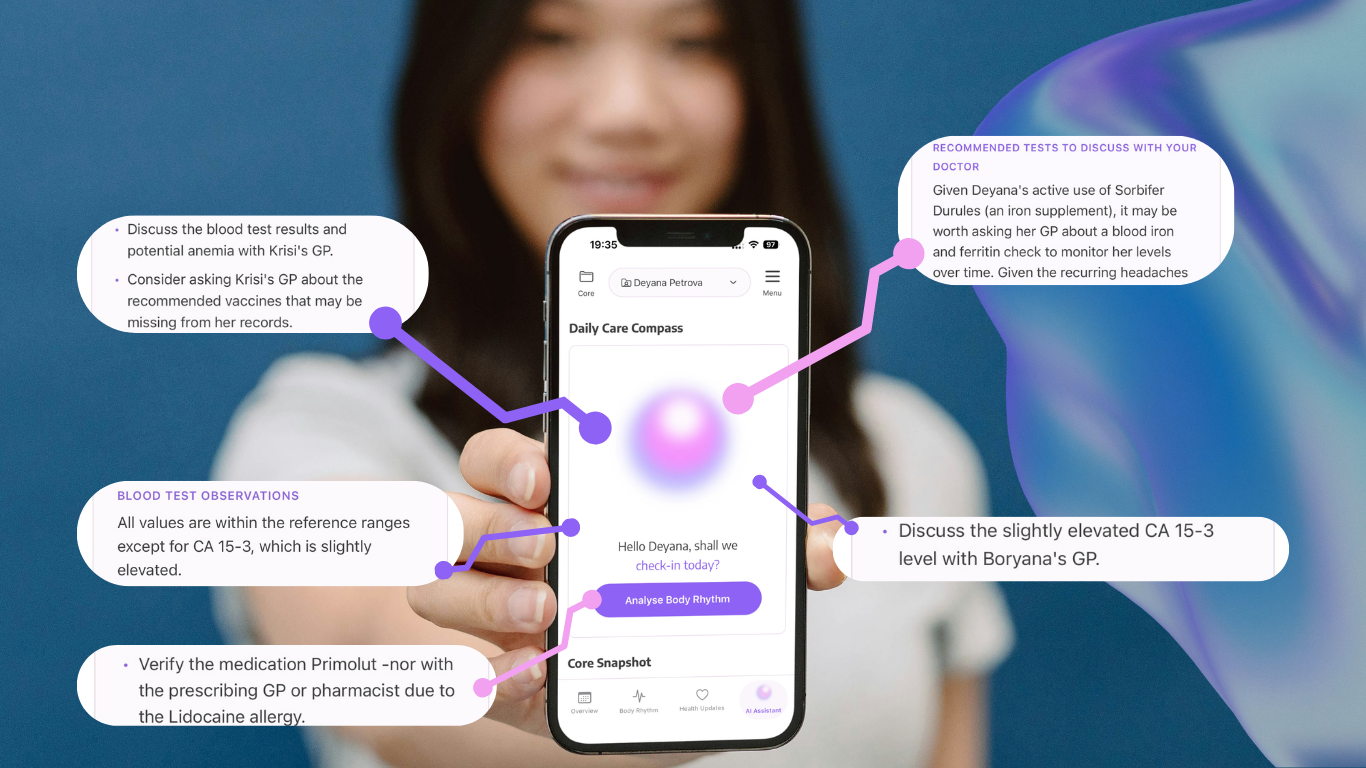
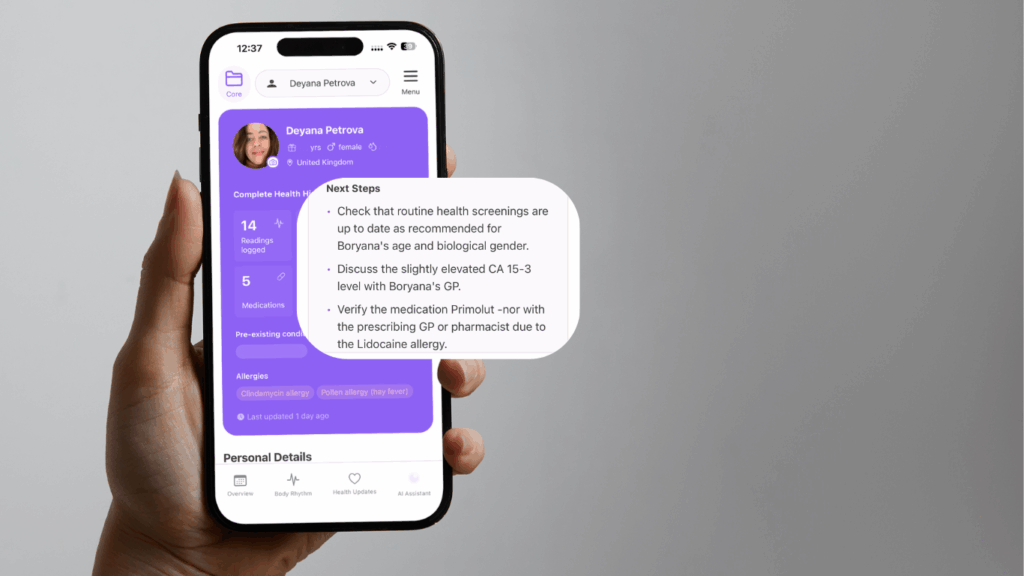
- The right next step depends on the pattern — some things warrant mentioning at your next routine appointment, some things are worth booking for sooner. this is where Veraia’s Observations can help inform you about patterns that are worth flagging sooner to your GP. The more consistetly you input information in your Body Rhythm section, the more precise the pattern recognition becomes.
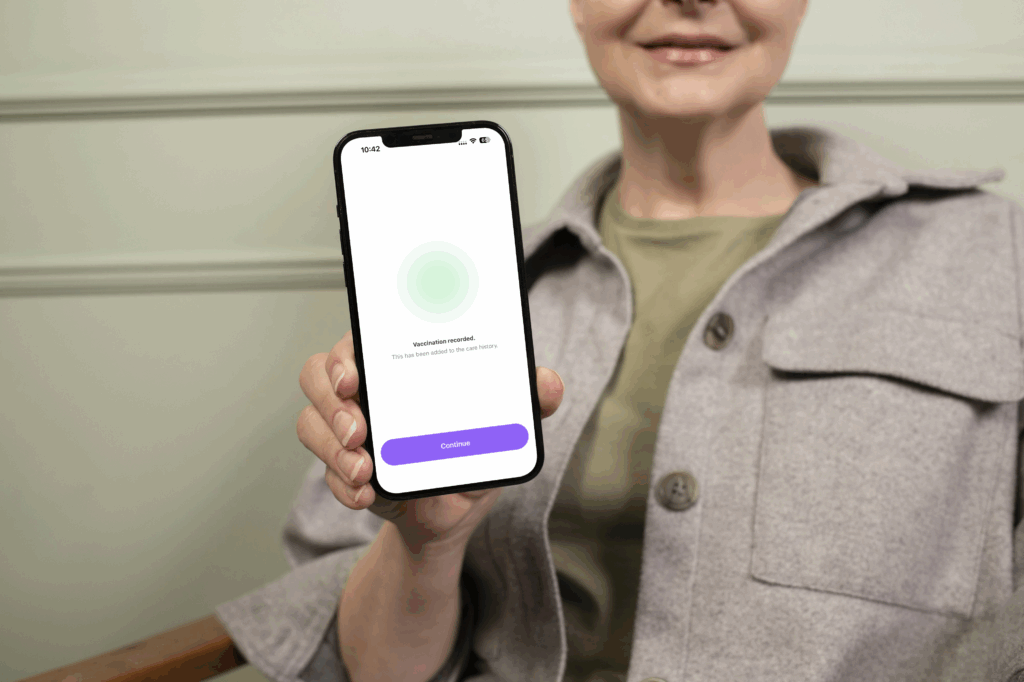
- Bring what you’ve tracked with you — a written or logged record is more useful than memory. You can also just bring your Veraia app and show the summary Observation screen to your paractitioner.
- Your GP will find it easier to help you if you can say “this has happened on 8 of the last 14 days” than “it’s been happening for a while”
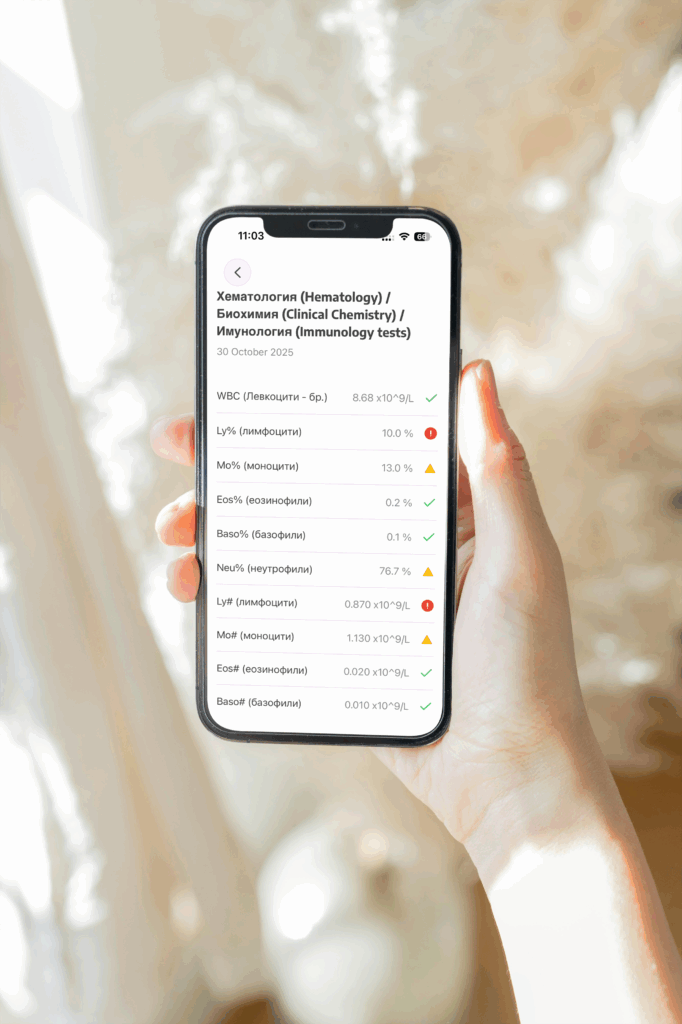
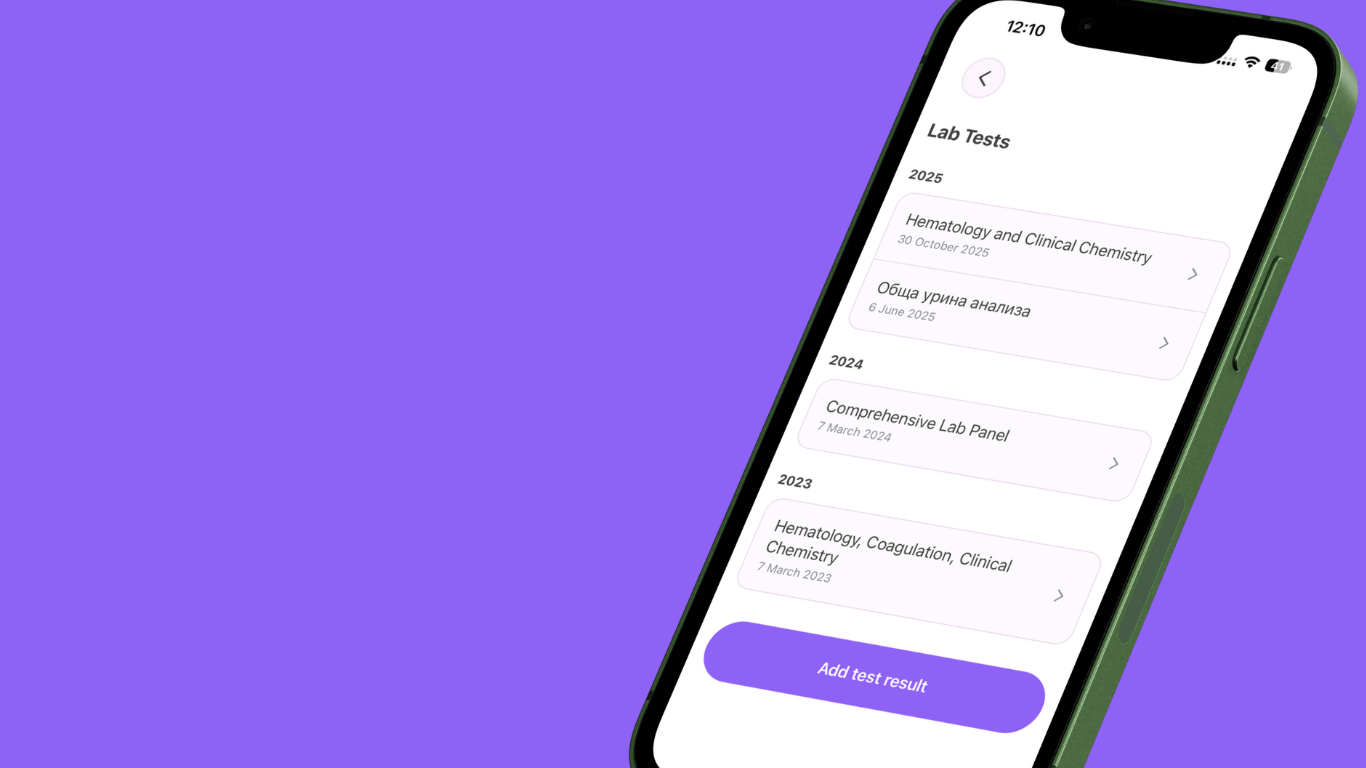
- With Veraia, you can record your Body Rhythm, lab tests and scans and documentation in English and Bulgarian, which also allows you to use it if you are abroad, even if everything is in Cyrillic.