Living with a Chronic Condition in Malta: How to Stay Organised Between Appointments

If you are managing a chronic condition or caring for a loved one in Malta, you have most likely experienced a specific situation. Let’s say you have an appointment at the local health centre, a follow-up at Mater Dei and a prescription due at your POYC pharmacy. All in the same month, all with different paperwork, and none of them communicating with each other. Sounds familiar?
This is the reality for over 46,000 people in Malta, managing diabetes alone. And for many, diabetes is just one part of the picture – multimorbidity affects around a third of people with chronic conditions, with cardiovascular issues appearing from as young as age 20–30.
This article is not about the clinical side of the experience, your health practitioners take care of that. It is about the organizational reality of living with one or more long-term health conditions in Malta, and how to keep track of it, without the overwhelm.
Why managing a condition in Malta is more complex than it looks
Malta’s healthcare system is genuinely good – a mix of a public and private system, with free hospital care and GP services for eligible citizens, with Mater Dei hospital as a primary centre. The system faces real pressure with widespread chronic conditions, and many patients navigating between public and private care depending on wait times and cost. For people living with those long-term diagnoses, the reality is more fragmented than the system’s strengths suggest.
The public-private split and what falls through the gap
People living with chronic conditions in Malta need to constantly switch between the public and the private systems – public for GP appointments, hospital follow-ups and free medication and private when it comes to specialist appointments and referrals (which otherwise could take weeks to months). This results in one of the highest out-of-pocket spending in the EU – 34.6% vs the EU average of 16%.
In that reality, patients experience a common issue – their records don’t live across the public and private systems. Their GP, their specialist at Mater Dei and their private endocrinologist don’t automatically share information, and none of them can see the full picture. The patient is the only continuous piece that connects it all together.
The POYC prescription cycle and why it needs tracking
The POYC, or the Pharmacy of Your Choice, is a national healthcare system that provides chronic condition patients with free medications and medical devices. These are collected in fixed intervals – every 56 days (or every 28 days for controlled drugs) from your registered community pharmacy. Over 170,000 people, a third of Malta’s population, use the POYC scheme.
In practice, patients often experience several points of confusion. Many people who live with more than one chronic condition, may need to track different medication timelines (one 56-day cycle and one 28-day cycle, for example), which often results in mixing of deadlines. Patients are required to drop off their renewal documents 2-3 days before the due date. That often causes confusion between the actual renewal date and drop-off deadline.
Missing one of these dates means missing a collection window and a gap in medication until the next cycle is processed. That makes keeping track of these dates a necessity.
What to keep track of between appointments
When you are managing multiple conditions, providers and healthcare systems, effective tracking of your health information is really not optional. You don’t need a complicated system. Clarity and consistency are what make a difference over time.
This checklist is designed with the specificity of Malta’s healthcare reality in mind. You can copy it in your notebook or in your notes app, and jot a few words or dates against each, when needed.
- Appointment log – here you can mark the visit, provider, what was discussed, and what was decided. Note which system each appointment was through.
- Medication record – current medications, doses, which are POYC-covered and which are out-of-pocket, collection due dates.
- Test results with dates – blood tests, readings for diabetes, cholesterol, blood pressure trends go here. Note which clinic or hospital issued them.
- Referrals – who referred you, to which specialist, which hospital, and approximate wait time.
- POYC collection dates and Schedule V renewal deadlines – staying mindful of those dates is important. They have hard cutoffs and missing them can mean gaps in your medication. You don’t need to remember them, you can mark them down.
- Symptom log – brief, dated notes. Especially useful to track patterns, and when your public and private doctors don’t have shared records. You are the one who needs to bridge the gap.
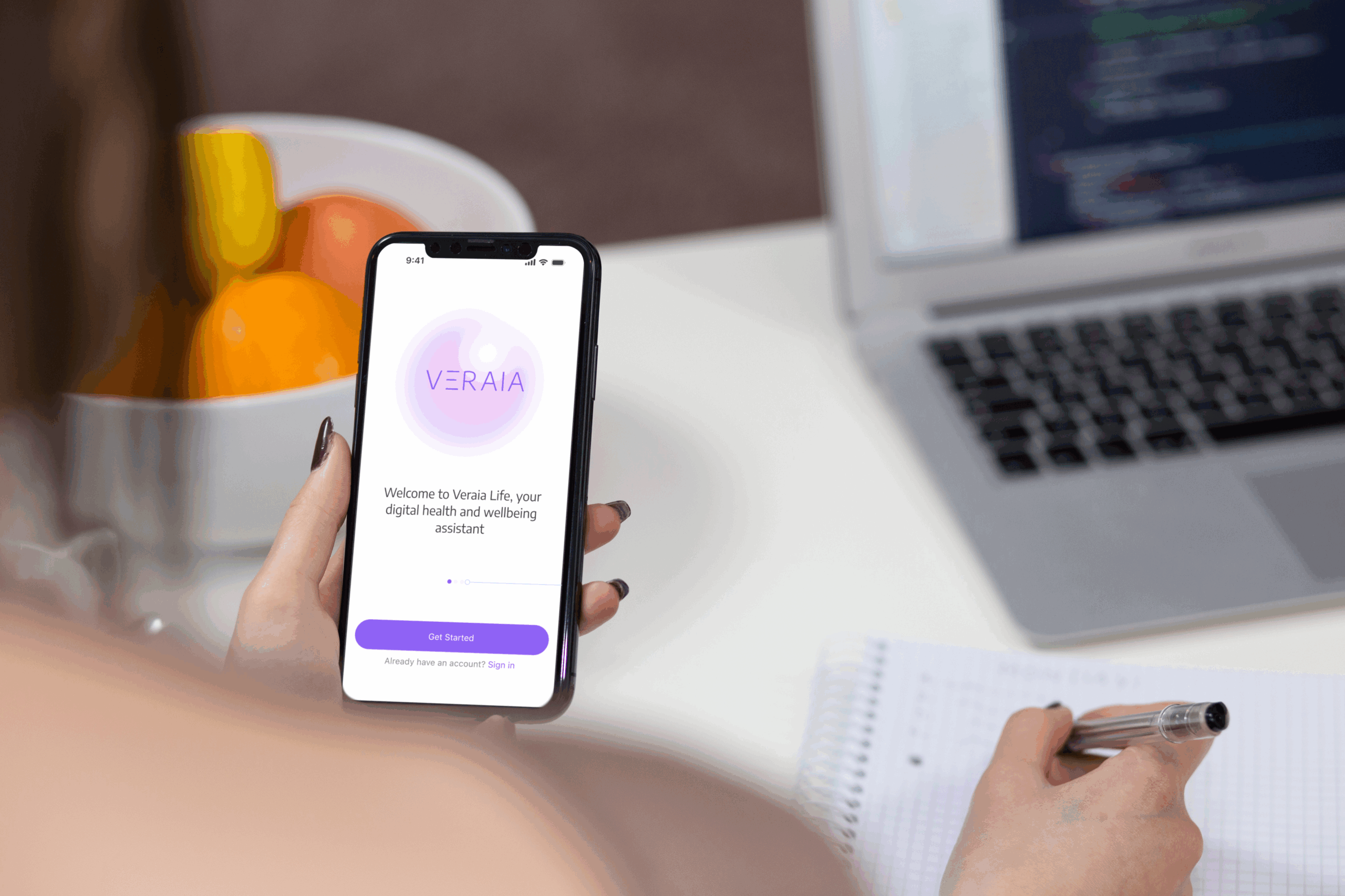
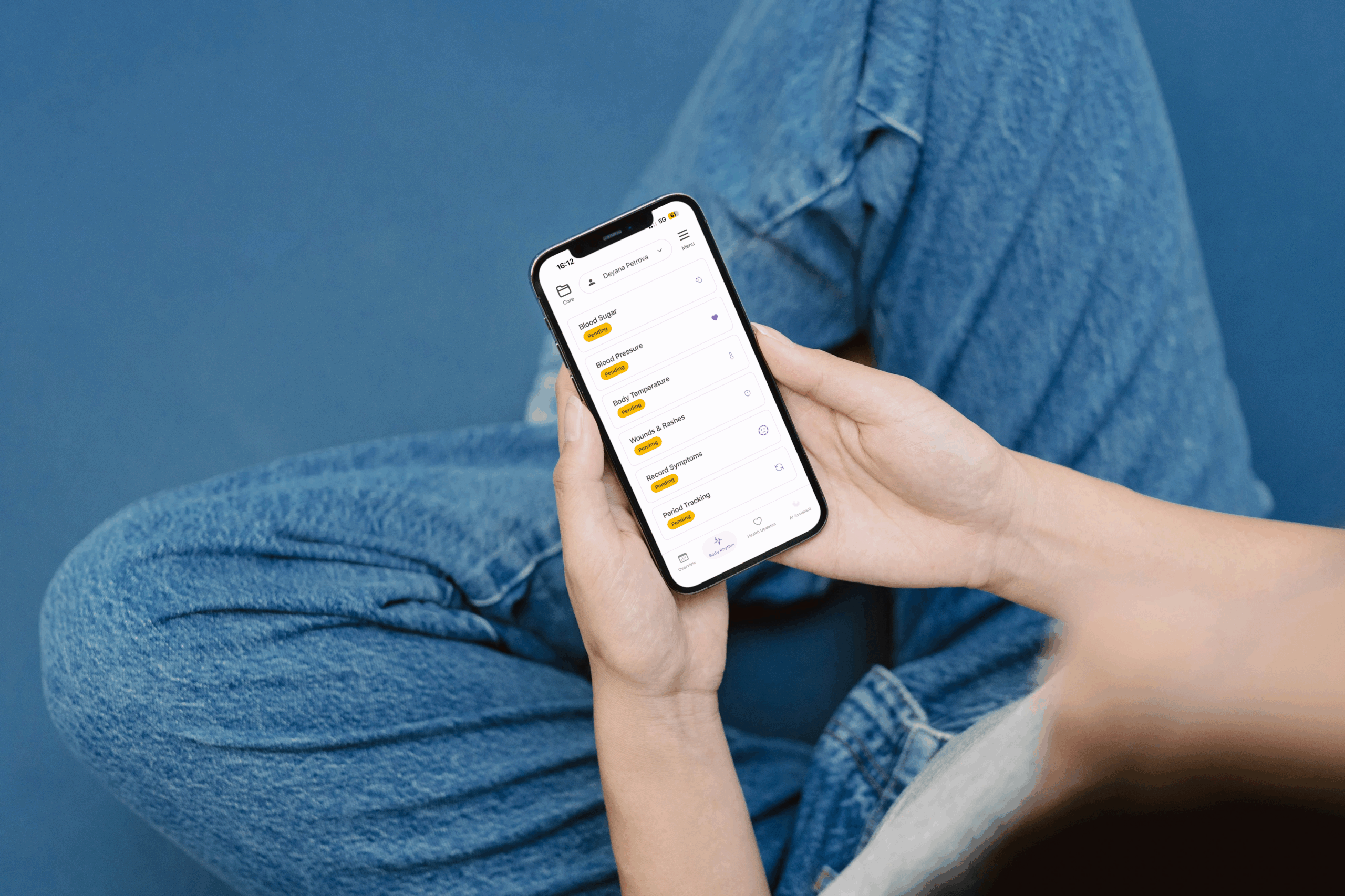
Veraia is designed as native repository for all of the above – a single log for your POYC deadlines, appointments, medication records, symptom notes and test results. So nothing gets lost and your health information makes sense over time.
For a full breakdown on what to capture after every doctor’s appointment, see our full guide.
The long-term picture your doctors can't always see
In Malta’s fragmented healthcare system, no doctor has your full health story. Your GP sees your general information, your consultant at Mater Dei is concentrated solely on one condition in isolation, and the private practitioner sees only what you bring to the appointments, no additional context. The person who connects everything together is you.
Long-term tracking reveals information, individual visits cannot: how the new medication affected your fatigue over the past 5 weeks or if your HbA1c has been consistently increasing since last summer. This is not about overcomplicating your health records. It is about staying aware and informed, and giving your doctor fuller information.
For carers, navigating an elderly parent or a family member across multiple conditions and healthcare systems, a detailed health record is even more relevant. Once a new specialist asks, “How long has your mom had this symptom?”, you will be able to give a specific answer.
One place to hold it all together
We are faced with a practical problem when it comes to keeping track of all our health data. It is scattered. Everywhere. A photo of a prescription or a test result, a Whatsapp message to yourself, a note in an app or a spare piece of paper. That makes the actual trajectory of your health practically untrackable. And it is often hard for the right information to be shared at the right time.
This is the exact reason we are building Veraia. It is a personal AI health assistant for individuals, carers and families. Your Core holds your complete health profile like conditions, medications, documents, POYC records and important dates. All in one place. Your Body Rhythm is where you log daily vitals and well-being. Over time, the compiled data allows patterns to surface, rather than getting lost between visits, different doctors and specialists.
Veraia is not a medical device, doesn’t diagnose or replace healthcare professionals. It is designed as the memory layer for your health story. So that the right information is always with you – at Mater Dei, your local health centre, or a private clinic in Valletta.