What Happens to Your Health Records When You Move to Malta?

Moving to Malta is an exciting new step. As in every big change, it requires a re-organisation of every aspect of your life. Often in those moments, important things like your health records can fall through the cracks. And you only realize that a few weeks after registering at the local health centre, when you need to see a GP. The doctor asked for your medical history. But it did not automatically follow you.
Malta’s expats are one of the fastest-growing demographics in the country. Many are managing ongoing chronic conditions, medications and complex histories across countries.
Let’s take a look at the Maltese healthcare system, what you can and can’t access as an expat living in Malta, and how to be better prepared for that reality.
What the Maltese health system can access when you arrive
Malta’s healthcare system is efficient and accessible. Once you have registered, hospital care and GP services are free for eligible residents. And the national MyHealth portal provides you and your doctor with access to your Maltese health records like case summaries, POYC prescriptions, test results, vaccination records. What it doesn’t support is transferring information from abroad. New arrivals can only access the portal once they have registered and obtained a Maltese e-ID, which can sometimes take time.
If you are moving from another EU country, what MyHealth@EU covers for you.
Malta was one of the first countries to integrate the EU’s cross-border health infrastructure – MyHealth@EU. If you are moving from an EU country that is currently connected to the program, your patient summary – ongoing medications, allergies, known conditions, major surgical history, etc. – can be retrieved by your Maltese doctor with your consent and once you have registered.
The system can be useful as it gives access to your most essential health records. However, your full medical history, any information from private appointments, or anything not formally recorded in the public system, remains out of its scope. Arrivals from non-EU countries are not covered by MyHealth@EU at all.
If you are moving from a country outside the EU, or from a private system.
For non-EU expats or anyone with primarily private health history, the reality is a bit different. Here, no cross-border infrastructure exists yet, and you can count only on whatever you bring. The Maltese healthcare system starts your health profile from scratch once you set your first registered appointment in the country.
Even if you are an EU citizen who has tracked a chronic condition through a private specialist over the years, you will find that none of that information transfers. MyHealth@EU covers only public records.
The gap you need to bridge
Malta’s healthcare system mostly holds what it has recorded. The day you arrive, your record is blank, regardless of how complex your health history is or how many ongoing conditions you track. Even if you can use MyHealth@EU infrastructure, it only provides a snapshot, not your full story.
In summary the important information most likely to be lost, as you move: test results and specialist letters from abroad, private clinic history from any country, non-EU health history, and anything not captured by MyHealth@EU’s Patient Summary – which provides only essential details.
This forms a significant gap, which can take time to bridge, and is especially important for people with chronic conditions, complicated medication lists, or multiple diagnoses. Being aware of this before you arrive is the true advantage. You can’t make the system import your information, but you can prepare and bring it with you.
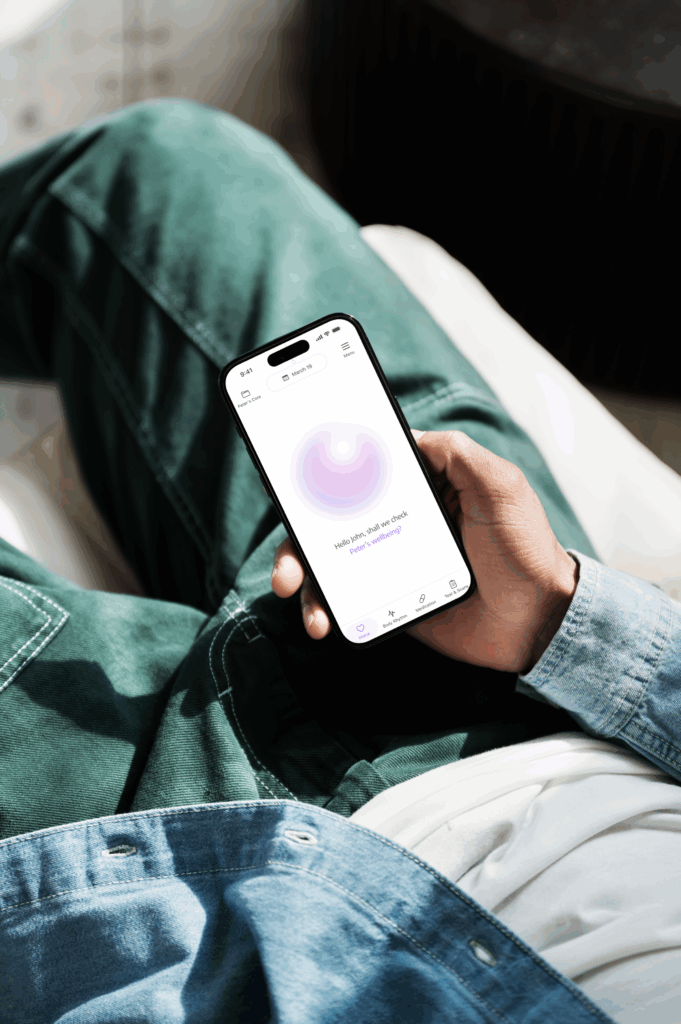
VeraiaLife was designed to fill exactly this gap and be a home for your continuous health story anywhere, at any time. Everything in one digital space. In your profile summary you can add your most important information: current or ongoing conditions; active medications, known allergies or other significant details. This can be very useful when you are seeing your new doctor for the first time, especially if you come from a non-EU country, or with mostly private health history.

What to bring and how to organize it
Yes, your health information does not automatically follow you when you move to Malta. But you can arrive with it organised, accessible and in a form that is easy to share with your new doctor. You don’t need a separate suitcase, but a clear, structured summary of:
- Current medication list – names, doses, frequency, and what each is prescribed for. Include generic names where possible, since brand names differ between countries.
- Known conditions and diagnoses – in plain English, not just diagnostic codes. Include when each was diagnosed and by whom.
- Recent test results – last 12 to 24 months of relevant blood work, or specialist reports. Note which clinic or country issued them.
- Allergy and adverse reaction record – medications, substances, and any documented reactions.
- Discharge summaries – particularly for any ongoing or complex conditions.
- Vaccination record – Malta’s myHealth portal holds Maltese vaccinations once settled. For anything administered abroad, it is useful to bring your own history
- Any relevant insurance information
Continuous tracking
If you are a citizen of one of the EU countries, taking part in the MyHealth@EU infrastructure, the system covers a piece of your health story. National health records like MyHealth portal are excellent at keeping what they have recorded. But none of them was designed to hold your full picture across borders.
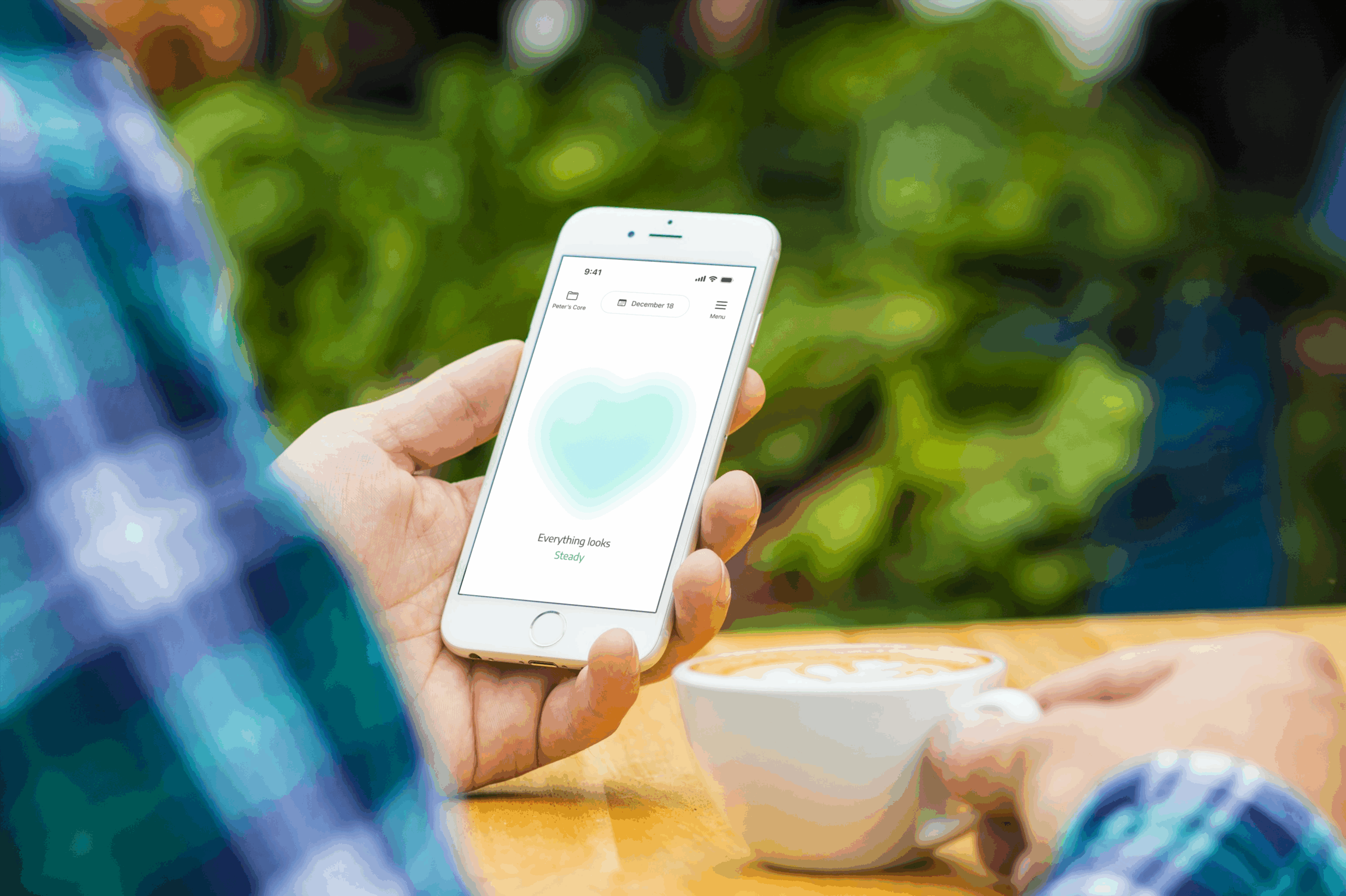
This is what inspired Veraia and why we are building it. A personal AI health assistant for individuals, carers and families. Your Core holds your complete health profile: conditions, medications, test results, specialist summaries and every important document. In one place, in your pocket. Following you everywhere, to a new GP in Malta, or an emergency room.
A move across borders no longer resets your medical record. With Veraia you arrive with your story, not a blank page.