
How to Keep Track of a Loved One's Health as a Carer?

medications, appointments, daily wellbeing and emergency information, written for the family carers who are quietly holding it all.
The phone rings. It’s the surgery. They want to confirm your dad’s medication list before tomorrow’s appointment. You open the kitchen drawer where you’ve been keeping the prescription leaflets. There are six. Two are out of date. One is missing entirely. You text your sister to ask if she remembers the dose change from last month, but she’s at work.
If you’re caring for a parent, partner or family member, this scene is probably familiar. You’re not failing. You’re holding more than any one person can keep in their head. The question isn’t whether you’re trying hard enough. It’s whether the way you’re keeping track is actually working for you.
This guide is for the millions of people in the UK who provide care for someone else’s health, usually without training, often without warning, and almost always without the time to set up a perfect system. It walks through what actually needs tracking, how to build a setup that doesn’t fall apart on a hard day, and how to walk into any appointment, A&E visit or pharmacy counter ready.
Why this matters more than people think?
Roughly one in eight adults in the UK is an unpaid carer. Most are caring for an older relative: a parent, a partner or a sibling. Some are caring for a child with a complex condition. A few are caring for a friend.
The thread that runs through every kind of caring is this: somebody has to be the memory. Somebody has to know what changed last Tuesday, what the consultant said in March, what the rash looked like a week ago, whether the new tablet was the small white one or the small yellow one.
That somebody is you. And it’s exhausting in a way that’s hard to explain to people who haven’t done it.
The good news is that most of it can be offloaded. Not the caring, the remembering. There are ways to set up a system that holds the information for you, so the load on your head gets lighter and your time with the person you love gets clearer.
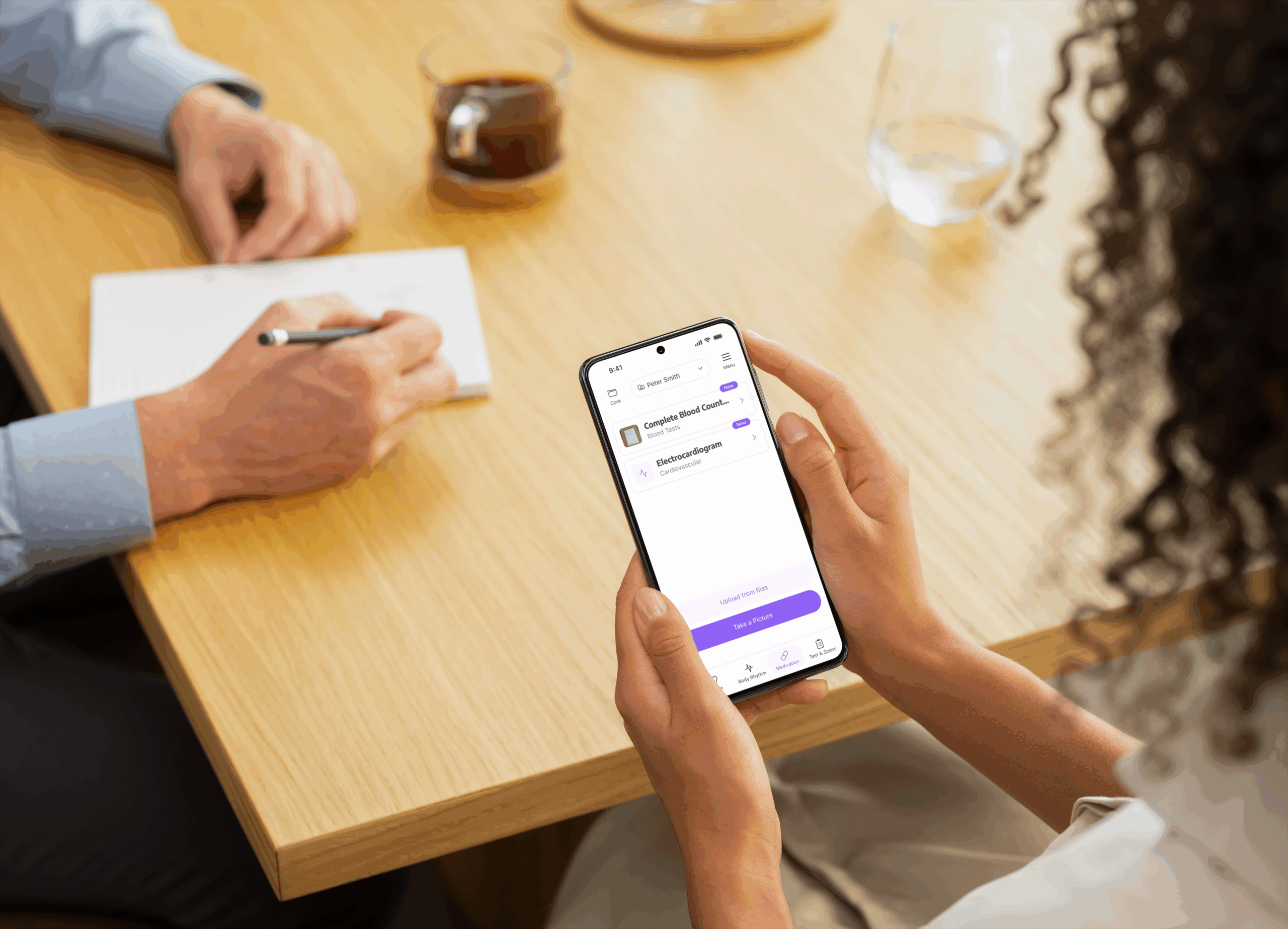
What you are actually keeping track of?
Most people think carer health tracking means medications. Medications matter, but they’re maybe a third of it. The full picture, for almost any condition, includes six layers.
1. Personal and Medical baseline
- Full name, date of birth, NHS number
- Pre-existing conditions and dates of diagnosis
- Allergies: drug, food and environmental
- Past surgeries and significant procedures
- Family medical history (if relevant)
- GP practice and consultant contacts
2. Current medication
- Name (generic and brand, if different)
- Dose, strength and form
- Frequency and timing
- What it's for
- Date started and prescribing doctor
- Any known interactions or side effects experienced
3. Daily wellbeing symptoms
- Pain levels (if relevant)
- Mood and mental state
- Sleep quality
- Appetite and bowel/bladder function (yes, really)
- New symptoms or worsening of old ones
- Skin changes, bruises, swelling
- Vital signs you've been asked to track: blood pressure, blood glucose, temperature
4.Appointment history
- Date and clinician
- Why the appointment was booked
- What was discussed
- What was decided or prescribed
- Follow-up needed
- Test results received
5. Documents
- Prescriptions (current and historical)
- GP letters and consultant correspondence
- Test results: blood, imaging, other
- Discharge summaries from any hospital admission
- Vaccine records
6. Emergency information
Everything a paramedic needs to know in the first sixty seconds: name, date of birth, NHS number, current medications, allergies, key conditions, emergency contact, DNR status if applicable.
If your head is doing the maths and it's not adding up, yes, it's a lot. The point isn't to track all of it perfectly from day one. The point is to know what the full picture looks like, so you can build toward it.
One place, not seven
The biggest mistake carers make isn’t tracking the wrong thing. It’s tracking the right things in too many places.
A typical setup looks like this:
- Medications written on a kitchen whiteboard
- Prescription leaflets in a drawer
- Test results forwarded to your email
- A folder of GP letters somewhere on a shelf
- Photos of rashes on your phone camera roll
- The NHS App for ordering repeat prescriptions
- A WhatsApp group with siblings to coordinate
- A notebook by the bed for daily symptoms
Every one of those is fine on its own. Together, they’re a maze. When the surgery calls and asks for the medication list, you can produce one, but only if you’re at home, near the whiteboard, with your laptop open, and you remember to check the WhatsApp for the dose change your sister mentioned last week.
The fix isn’t a better whiteboard. It’s a single source: one place where the most-needed information lives, kept current, and accessible from anywhere you might be when someone asks.
One place, kept up to date, available when you need it.
Making the most of every appointment
A typical GP appointment is ten minutes. A consultant appointment might be twenty. In that window, you need to communicate weeks or months of observations, ask the things you’ve been waiting to ask, and absorb whatever the clinician tells you in return, often quickly, often in unfamiliar language.
Here’s a structure that works.
Before the appointment
Spend ten minutes the night before. Write down:
- The reason for the visit, in one sentence
- Two to three specific observations from the past few weeks, with dates
- One clear question you most want answered
- Anything you’re worried about, even if it seems small
Bring the current medication list and any relevant recent results.
During the appointment
Take notes, or ask if you can record the conversation on your phone. Most clinicians will say yes if you ask. Write down what the clinician said the situation is, what’s being changed (medication, referrals, tests), what to watch for between now and the next visit, and when the next contact should happen.
After the appointment
Within an hour, while it’s still fresh:
- Update the medication list with any changes
- Add a short note to the appointment record: date, who you saw, what was decided
- File any prescription or letter
- Put the next follow-up in your calendar
This sounds like a lot. The first time, it takes thirty minutes. After three or four appointments, it takes ten.
Daily wellbeing: why patterns matter more than single days
If you’re caring for someone with a chronic condition, recovering from surgery, or living with a long-term illness, single-day observations aren’t where the value is. The value is in the pattern.
A blood pressure reading of 145/92 on a Tuesday means very little on its own. The same reading every Tuesday for X number of weeks means something. A headache today is a headache. Headaches on eight of the last fourteen days is a story.
This is the hardest part of carer tracking to do well with the support of a digital health assistant, because it requires showing up to log something most days, even when nothing seems to be happening. The most-nothing days are often the ones that turn out to matter, because they establish what normal looks like.
A few practical principles:
- Log at the same time each day if you can. Easier to compare like with like
- Log small things too. “Felt tired but ate well” is a useful entry
- Don’t trust your memory across more than 24 hours. If you didn’t log it, by tomorrow morning, you’ll lose the detail
- Veraia keeps the daily log light enough that you’ll actually do it. Five quick entries every day beats a perfect entry once a week

in 60 seconds
If an ambulance is ever called for the person you care for, you’ll be asked the same set of questions in roughly the same order. Knowing what they are, and having the answers ready, is one of the most useful things any carer can do.
The list:
- Full name and date of birth
- NHS number, or “I don’t know it” (that’s fine)
- Current medications. This is the big one. The more accurate the better
- Allergies, especially drug allergies
- Pre-existing medical conditions
- Recent surgeries or hospital admissions
- Whether there’s a DNR (Do Not Resuscitate) order in place
- Emergency contact for next-of-kin decisions
The fastest way to make this information available if you are using Veraia is turning on the ‘Emergency Mode’ feature which will display all this information for you immediately and you can share your screen with the paramedics, doctors and/or nurses.
As a Carer
Carers are often unsure how much they’re allowed to say or ask in healthcare settings, especially if they’re not formally registered as a carer. The default rule in the UK NHS is that you can attend appointments with the person you care for, can ask questions, and can be told information, provided the patient consents to your involvement.
If the person you care for has capacity, the cleanest setup is to have them confirm with their GP practice that you’re authorised to discuss their care. This is usually a quick form. It saves dozens of awkward conversations later.
If the person doesn’t have capacity, the rules are different. A Lasting Power of Attorney for Health and Welfare is typically the cleanest legal route, but it has to be set up while the person is still able to make the decision.
In either case, a few habits help:
- Identify yourself clearly at the start of any call: “Hi, I’m calling about my dad, John Smith. I’m his daughter and his carer.”
- Have the patient’s basic details ready before you dial
- Be specific about what you’re calling for. “I’d like to ask about the dose change on his blood pressure medication” is much faster than “I have a question about his medication”
- If you’re given new information, repeat it back. “So we’re moving from 10mg to 5mg, taken once a day in the morning, starting tomorrow. Is that right?”
Where Veraia fits in?
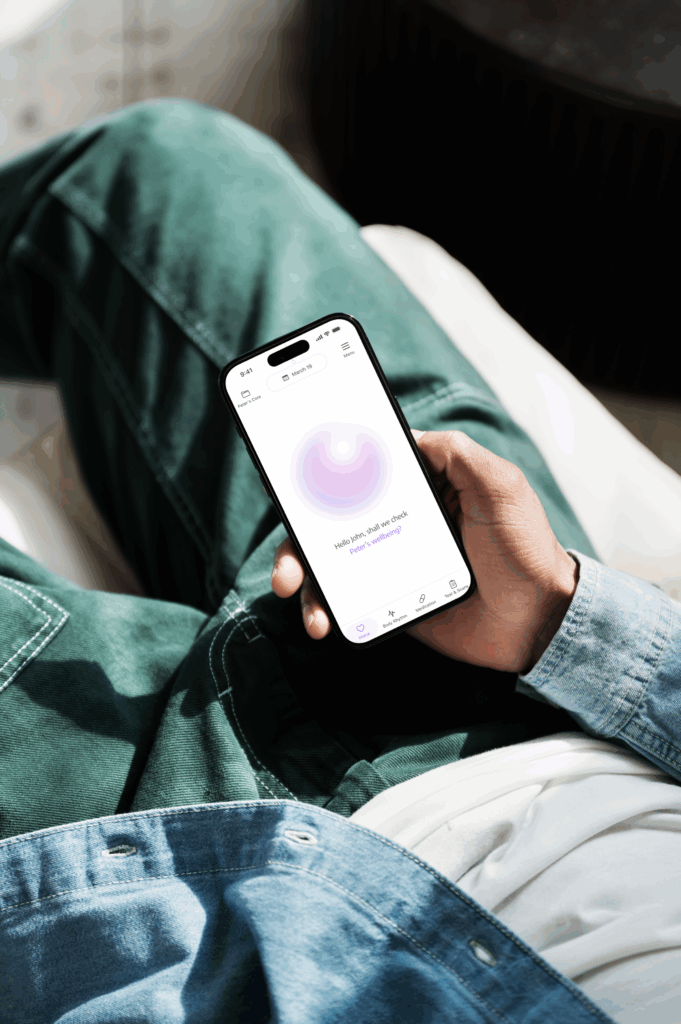
We built Veraia for exactly the kind of person reading this. It’s a personal AI health assistant for individuals, carers and families. A place to hold one person’s whole health story, kept current, available wherever you are.
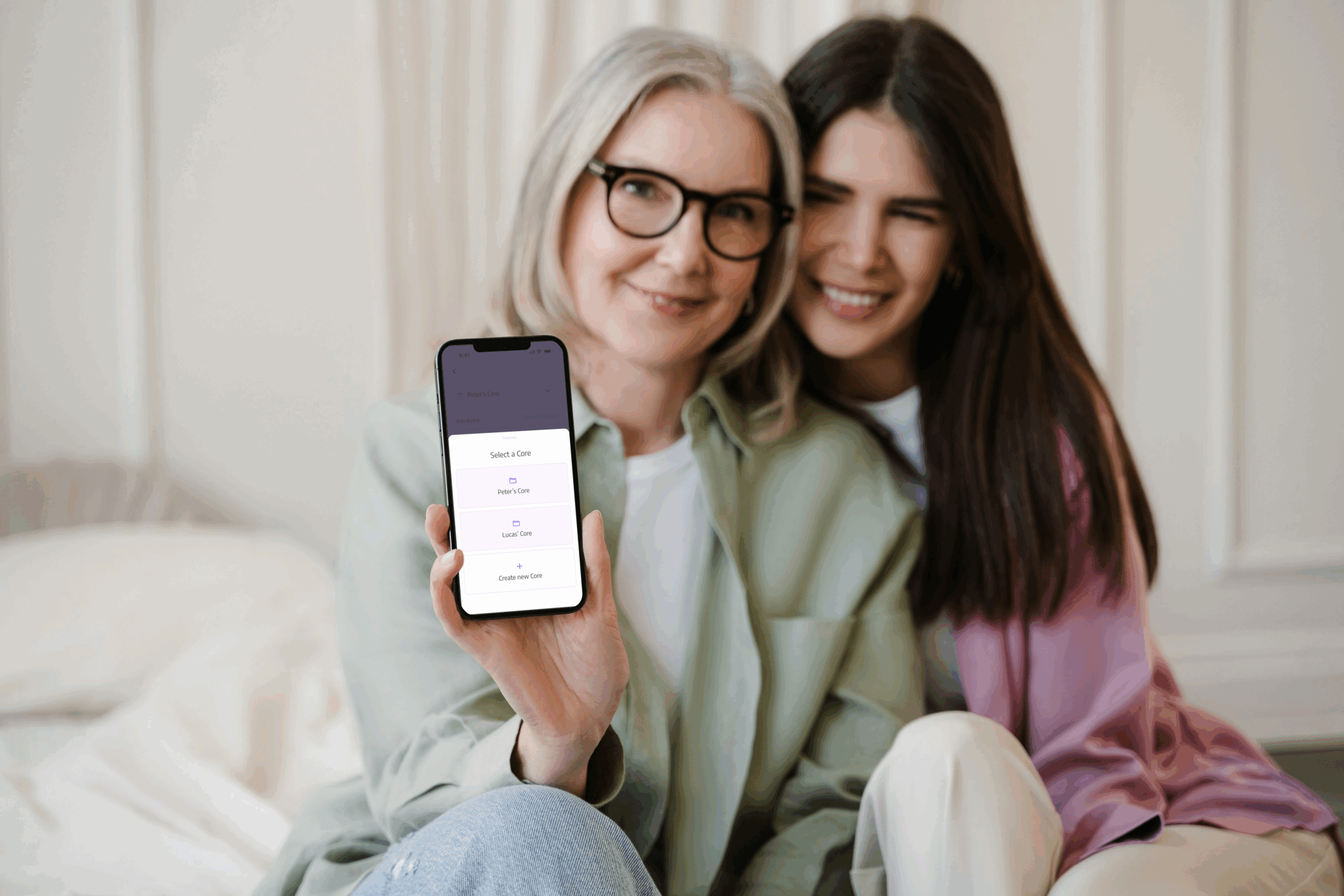
Each person you care for gets a Core: their full health profile in one place. Allergies, conditions, medications, history, documents. Their Body Rhythm sits underneath it: the daily layer where vitals and wellbeing get logged, so the patterns become visible over time.
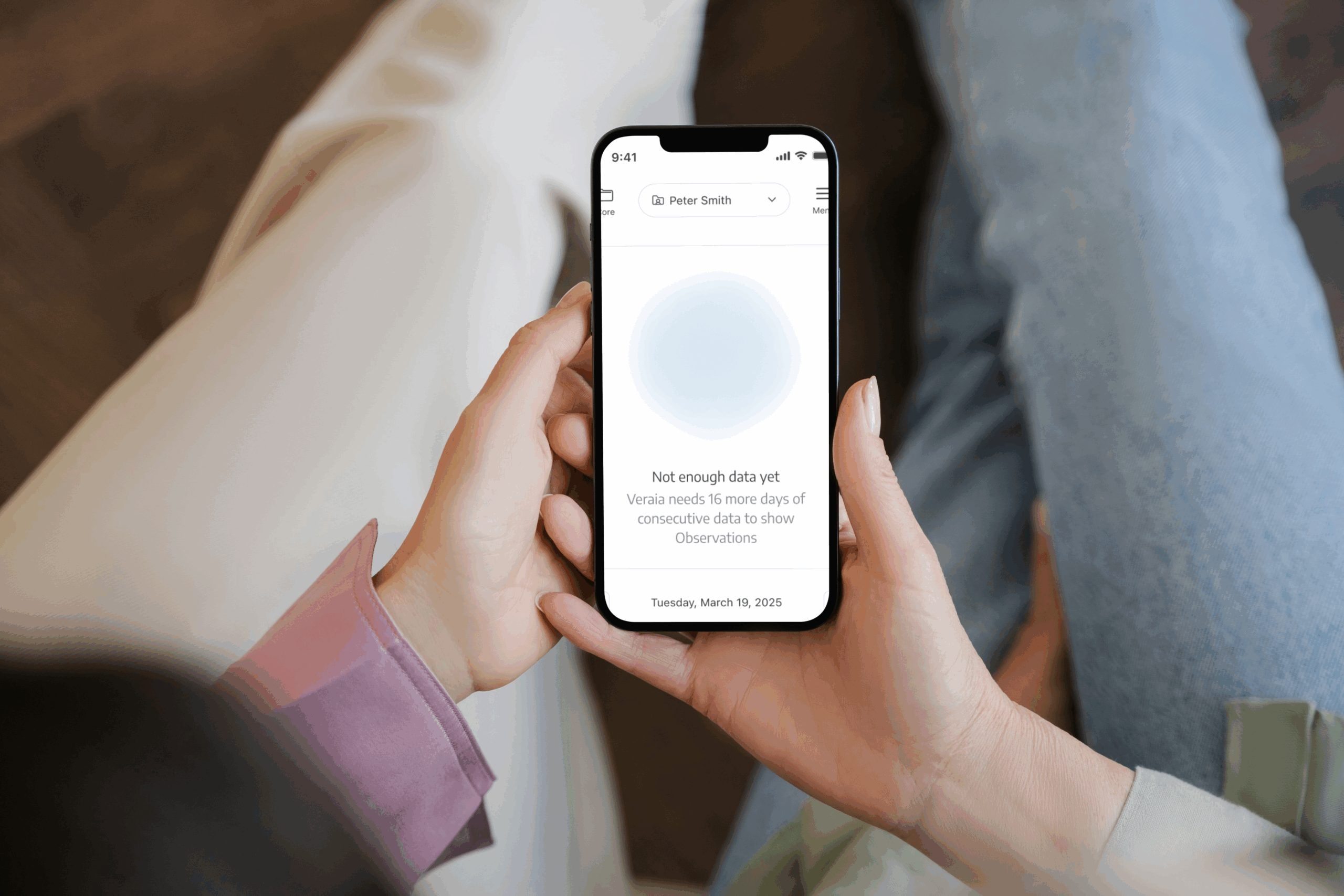
When you ask Veraia to look across the picture (say, before an appointment), it can surface a Veraia Observation. A pattern worth mentioning. Blood pressure trending higher over the last fortnight. Headaches on eight of the last fourteen days. Iron below range across the last three blood tests. Plain language, never a diagnosis.
When an Observation surfaces something worth acting on, Care Compass points toward a next step: mention at the next visit, book an appointment, or seek attention sooner.
Your data lives on EU servers in Frankfurt and Dublin. It is never sold, shared, or used to train anything.
Veraia is not a medical device, doesn’t diagnose, and doesn’t replace healthcare professionals. It’s the memory layer underneath the work you’re already doing.
We’re in pre-launch in the UK and Bulgaria, building toward something carers have been asking for for a long time. If you’d like to be among the first to use it, you can join the waitlist at veraia.life.